Notice
You are now leaving Polygon Restoration's website and will be directed to another country in the group.
Do you want to proceed?
Notice
You are now leaving Polygon Restoration's website and will be directed to another country in the group.
Do you want to proceed?
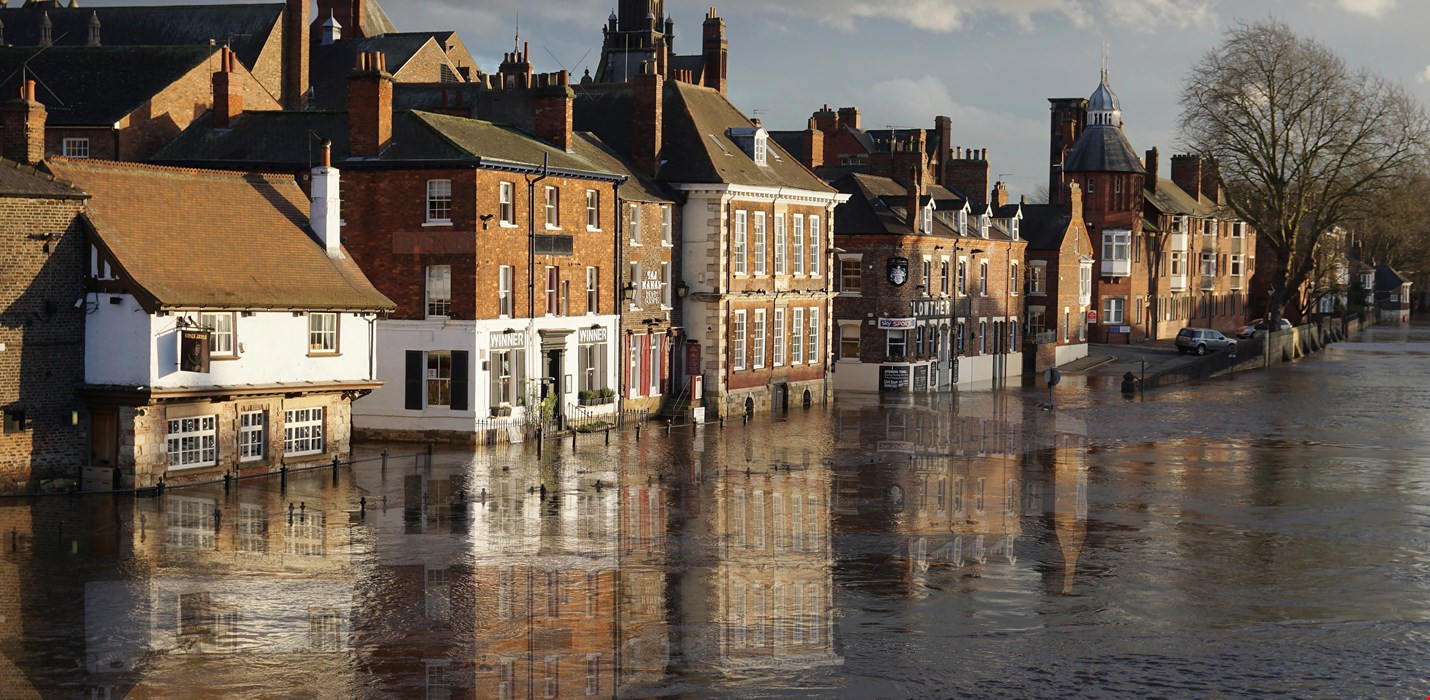
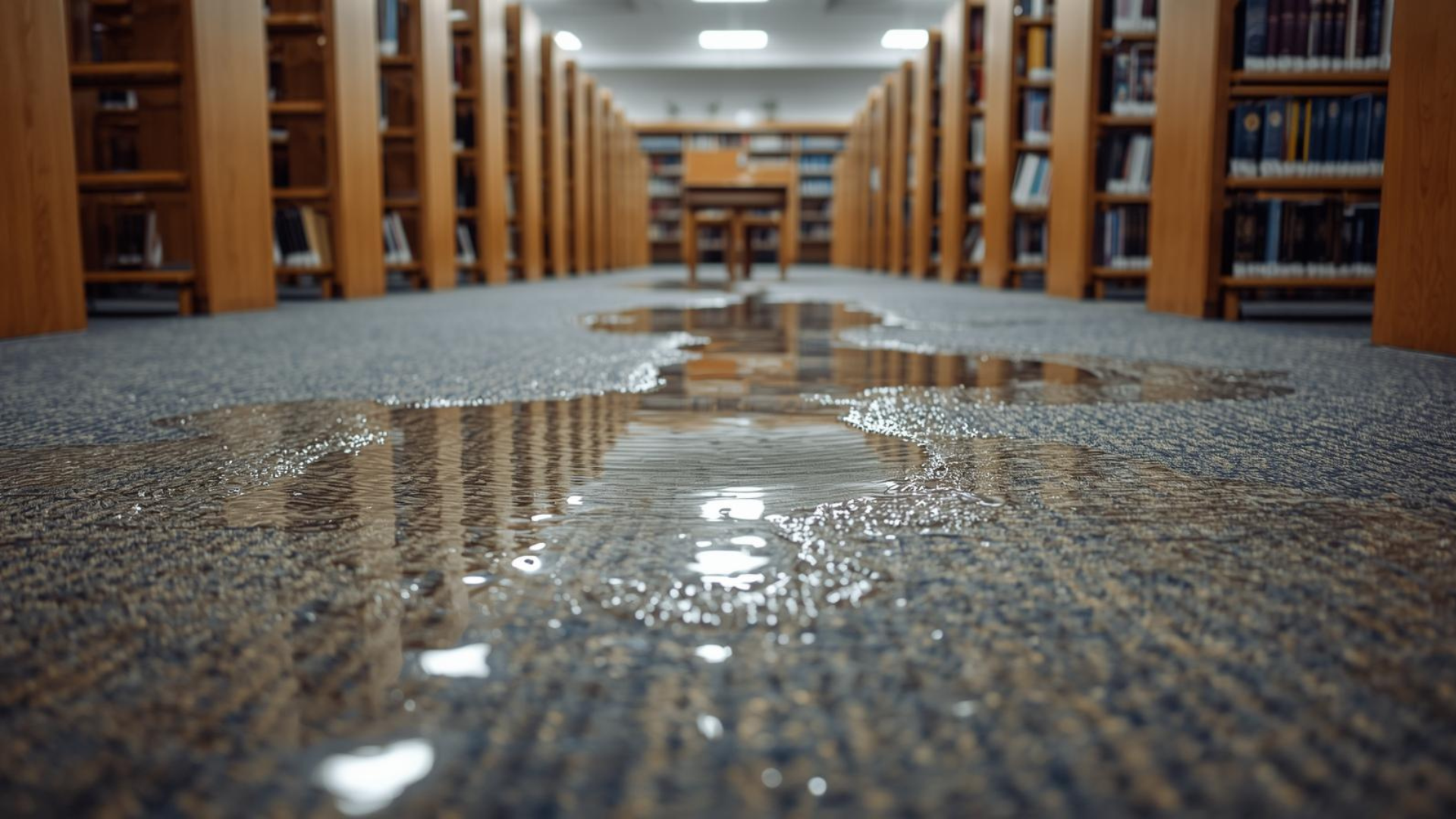
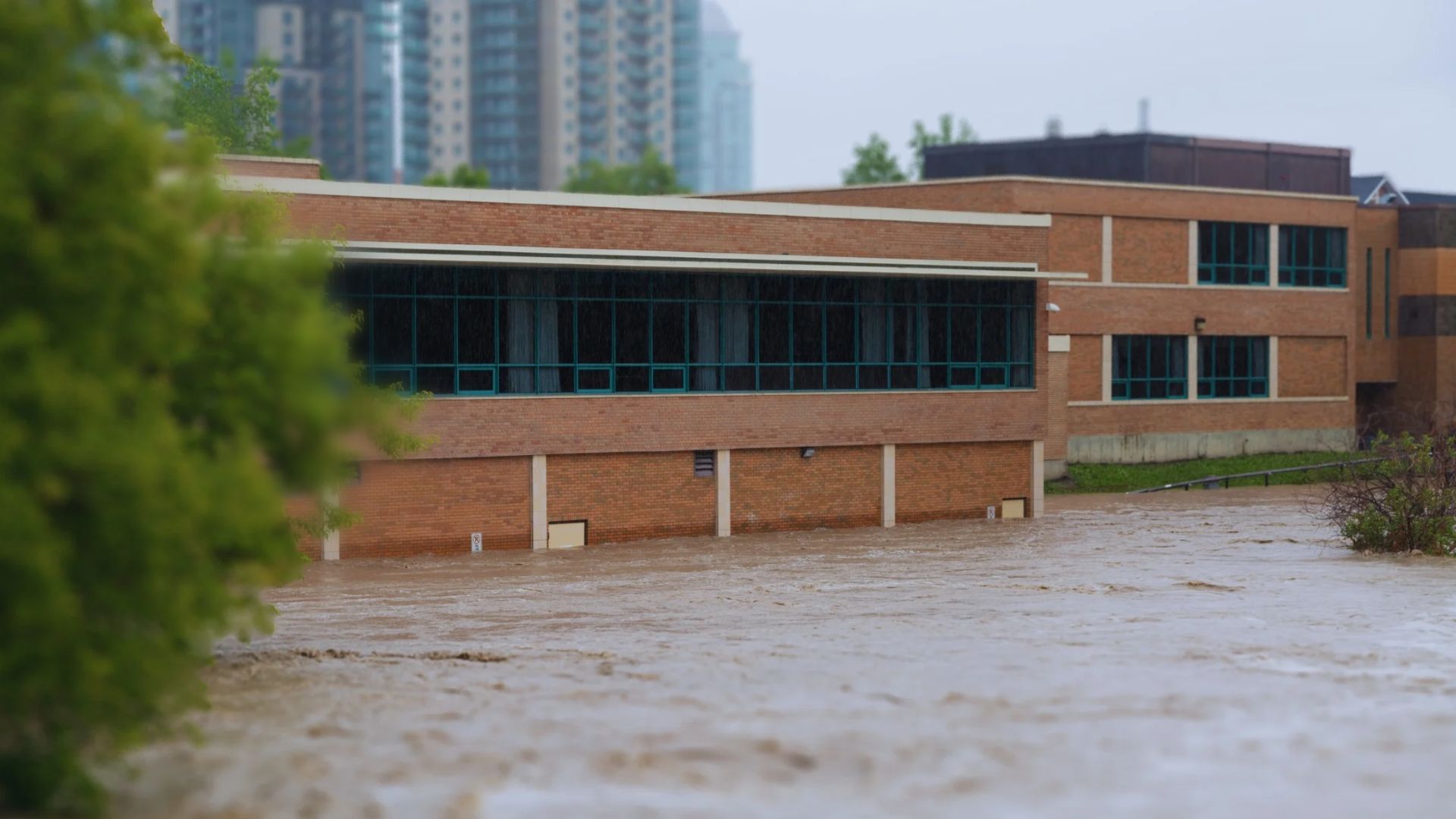
When the warm weather arrives, winter snow melts and spring rain follows. While this combination prompts nature to produce lush greenery, it also heightens the risk of flooding. Disaster preparedness plans should include steps to remedy water damage as soon as possible because quick action can save a company up to 40% on water damage restoration costs. To prevent further damage from ensuing, take action immediately after a disaster with these simple steps before professional help arrives.
Limit the water damage that affects your critical records and prevent further loss by taking safe, immediate action before a document recovery team arrives. With the added support of remote monitoring and digital solutions, you can maintain visibility into environmental conditions and protect sensitive materials in real time.
Exercise caution: Make sure the building is safe, and the electricity is turned off before entering. Wear protective gear like an organic vapor respirator, goggles, and rubber gloves to reduce exposure to mold spores and contaminants that can permanently damage paper-based collections.
Stabilize conditions: Begin ventilating the space to slow mold growth by opening windows and, if it’s safe, using fans. If Polygon monitoring systems are in place, use them to track temperature, relative humidity, and air quality remotely, helping you maintain conditions within specification and make informed decisions until crews arrive.
Stabilize and secure documents: Take inventory of affected records and identify what should be salvaged, discarded, or securely destroyed. For salvageable materials, carefully pack and place them in freezers to halt deterioration. Polygon’s document recovery specialists use advanced drying methods such as vacuum freeze drying to restore paper, books, and archival materials while minimizing distortion and data loss.
Once your disaster preparedness plan is finalized, ensure it is easily accessible and includes Polygon’s digital monitoring solutions for continuous oversight during an event. Incorporating real-time data helps teams respond faster and maintain tighter control over storage environments. Key immediate response steps include:
While early action is critical, document recovery and environmental control are best handled by Polygon professionals:
A strong disaster preparedness plan should account for risks to your documents in every season and include both immediate response steps and long-term recovery strategies. With Polygon’s combination of on-site expertise and remote monitoring technology, you can protect critical records, reduce downtime, and ensure a controlled, documented recovery process from start to finish.
Contact us today to learn how you can get ahead of disaster.

Emergency Support
1-800-422-6379Send an email
us_info@polygongroup.com24/7 Hotline
Urgent equipment and operational support
Property damage
Documents and contents damage
24/7 Emergency:
United States: 1-800-422-6379
Canada: 1-888-702-4782
Your questions and comments are important to us. Please send us your information with a description of your needs and we will connect with you promptly.
Polygon US Headquarters
15 Sharpners Pond Road, Building F North Andover, MA 01845
Phone: 1-800-422-6379
See all our US locations here: Polygon US office locations
For global support, please contact one of our offices listed here: Our Global offices - Polygon Group