Blog

How Cold Storage Environmental Conditions Affect Produce Quality

Temporary Climate Solutions, Food and Pharma

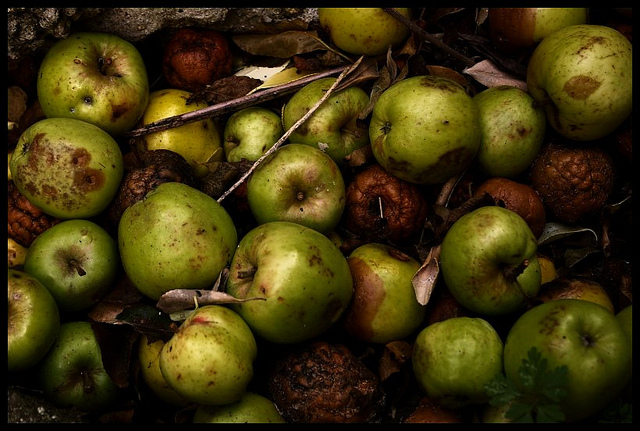
Consumers rely on food processing and storage facilities to ensure the ideal environmental conditions for produce from the moment it’s picked at the field to the time it reaches a grocery store. When it comes to cold storage, humidity and temperature levels are among the most important considerations to prolong the life of fruits and vegetables. When environmental conditions are not ideal, produce deteriorates and becomes potentially harmful to consumers.

Read

Liquid Desiccant vs Desiccant Wheel Dehumidification – What’s the Difference?

Temporary Climate Solutions

Desiccants are hygroscopic substances used as drying agents. They attract water-vapor molecules from the air using an absorptive or absorptive process. They’re often open dehumidification systems used for the cold storage of food products to ensure appropriate relative humidity levels. Desiccant wheel and liquid desiccant dehumidification systems are among the most common used for cold food storage because they’re more efficient, produce less heat and prevent the formation of frost. The best system for cold storage depends on the type of food stored, the location of the storage unit and its size.

Read

Protecting Food Packaging During Cold Storage

Temporary Climate Solutions, Food and Pharma

Food packaging for the purposes of preservation and transport is a practice that dates back to ancient civilizations. In today’s industrial food processing world, food packaging is presentational and technical. The presentational aspects relate to brand recognition and visually appealing to customers. The technical aspects are more important, as they provide condensation prevention, extend the shelf life of goods and help protect the health of consumers. By properly protecting food packaging that’s in cold storage and selecting the appropriate types of packaging, processing and manufacturing facilities will experience fewer food-related losses and greater levels of consumer satisfaction.

Read

Proper Storage Techniques for Baking Ingredients

Temporary Climate Solutions, Remote Monitoring and Control, Food and Pharma

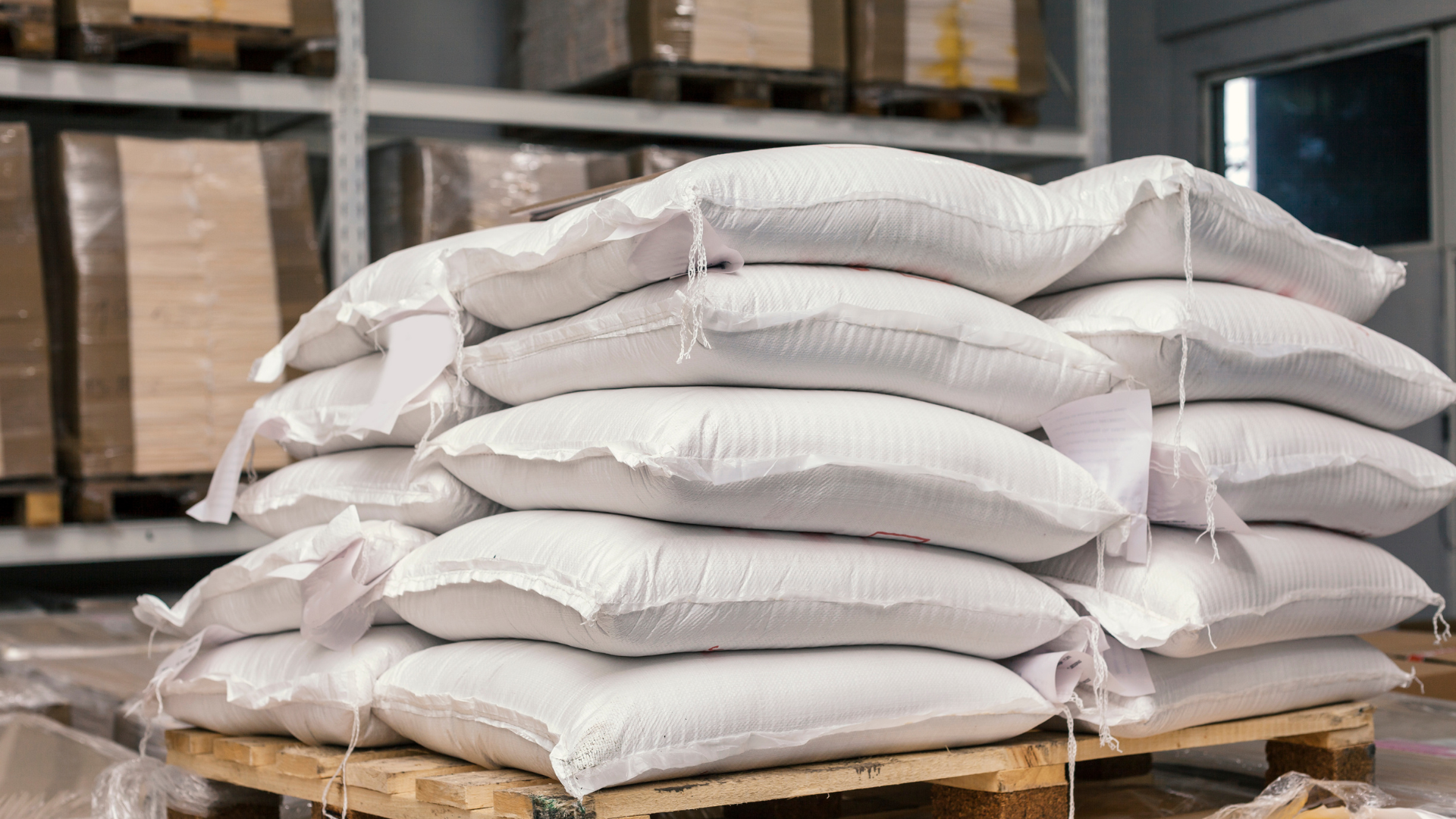
Much attention goes to the proper storage environment for raw foods, such as meat and vegetables. Baking ingredients have a shelf life, too, as well as the potential to spoil and not work as effectively when storage conditions are not ideal. By practicing proper humidity control for baked goods and following storage recommendations, you’ll maximize the shelf life of ingredients, reduce waste and ensure the quality of manufactured products.

Read

Preventing Lumpy Spices: How Humidity Control Can Help

Temporary Climate Solutions

Spices are what give food personality and life. Merely smelling them awakens the senses. The spices used in a restaurant’s or commercial facility’s foods are essential to branding. When the moisture content and water activity within spices are not ideal, the ingredients experience quality losses and become vulnerable to spoilage and contamination. By having proper humidity for food facilities and understanding the effects of poor storage, you’ll better ensure that your operation offers customers the most flavorful and safest ingredients.

Read