Blog

The Importance of Temporary Climate Control for Metal Museum Artifacts

Document Recovery, Temporary Climate Solutions

Preserving metallurgical artifacts with temporary climate control solutions is vital to minimizing conditions that cause damage, such as corrosion, tarnishing and pitting. Since metals have differing valences, their storage requirements also differ, making climate control technologies essential to their preservation.

Read

How Does Humidity Affect Surface Preparation and Coating?

Paintings and Coatings, Temporary Climate Solutions

Corrosion prevention is vital to maintenance, safety and preservation of equipment. Without the right environmental conditions during the surface coating preparation, application and drying stages, the life of the preventive coating shortens, thus increasing maintenance costs. For this reason, companies often look to temporary climate control to ensure the success of the protective coating applications.

Read

The Importance of Surface Coating for Crude Oil Tanks

Paintings and Coatings, Temporary Climate Solutions

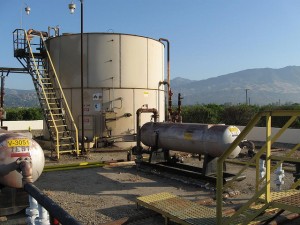
Crude oil tanks are generally made of steel. While steel offers the strength needed to hold and protect oil, it’s vulnerable to corrosion. During the manufacturing stage, modern steel tanks receive a protective surface coating to prevent corrosion. The coating, however, doesn’t last forever. It is necessary for the tanks to undergo maintenance every 5 to 10 years to reapply a surface coating to prevent corrosion, pitting and oil leaks.

Read

Schools Save on Maintenance Costs with Humidity Control

Temporary Climate Solutions

Humidity control in schools is a critical function, impacting indoor air quality, student health and the longevity of a building. When high levels of relative humidity are present, students and faculty may experience health problems and the building will degrade at a faster rate. By implementing a humidity control strategy, a school will save on maintenance and repair costs, increase comfort levels, and decrease the risk of moisture-related health concerns.

Read

Temporary Humidity Control & Preventing Illness in Schools

Temporary Climate Solutions

Poor indoor air quality within schools has long been identified as one of the leading causes of student and teacher illnesses. Ever since the 1920s, public schools have been aware of the importance of ventilation and humidity control. In 1923, the New York State Commission on Ventilation found that pupils in fan-ventilated rooms suffered 70 percent more upper respiratory illnesses compared to students in window-ventilated classrooms. With crowding an ongoing issue in public schools, temporary humidity control and adequate ventilation are vital to keeping infectious diseases and allergens at bay.

Read