Blog

How are U.S. Cold Chain Systems Growing the Economy?

Temporary Climate Solutions, Food and Pharma

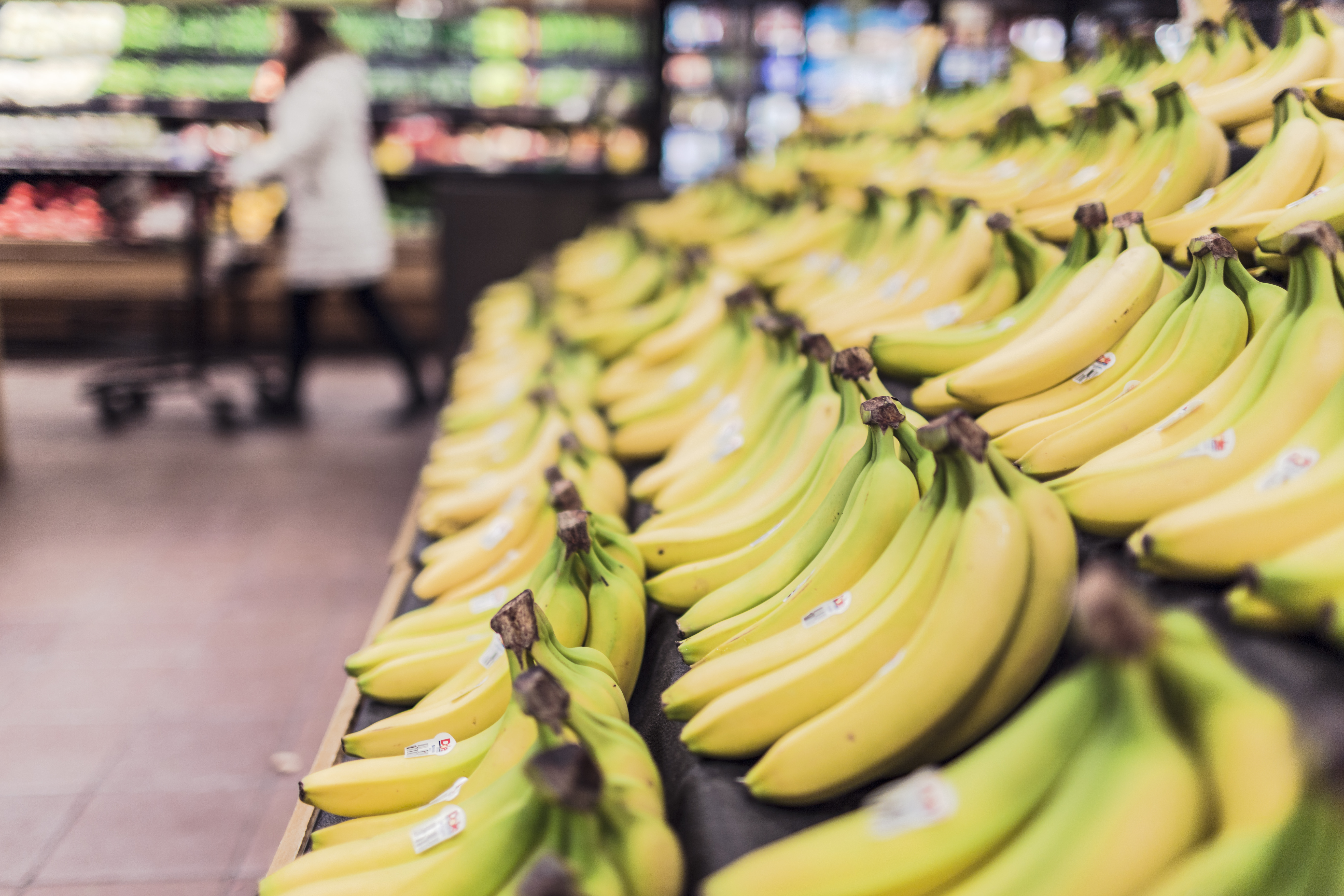
To reach store shelves, perishable items often embark on an extensive journey across states and even continents. Making this all possible are cold chain systems with uninterrupted series of cold storage and food distribution activities. The development of the system opened the doors to new markets in multiple industries, making it an export success. The U.S. food industry spends millions each year on moisture control and climate control solutions that allow businesses to prosper. As a result, cold chain systems are vital to global trade and the availability of food around the world.

Read

Movies that Make Us Go Cold - Cryogenics in Hollywood Film

Temporary Climate Solutions

Wishing to serve his country in the 1940s, Steve Rogers volunteers to undergo an experiment that will make him a super-soldier. After the experiment is a success, Rogers, code-named Captain America, is sent to defeat the Skull and deactivate a missile aimed at the White House. While tied to the weapon in question, Captain America diverts it into Alaskan waters, where he remains frozen for 50 years. Hollywood has played on the idea of cryonics and the benefits of cold storage for decades because of the promise it offers—an extended lifespan. While suspended animation is not possible for humans yet, therapeutic hypothermia is a rapidly evolving procedure that the medical community continues to investigate.

Read

Which U.S. States’ Libraries are Most at Risk for Flooding?

Document Recovery, Temporary Climate Solutions

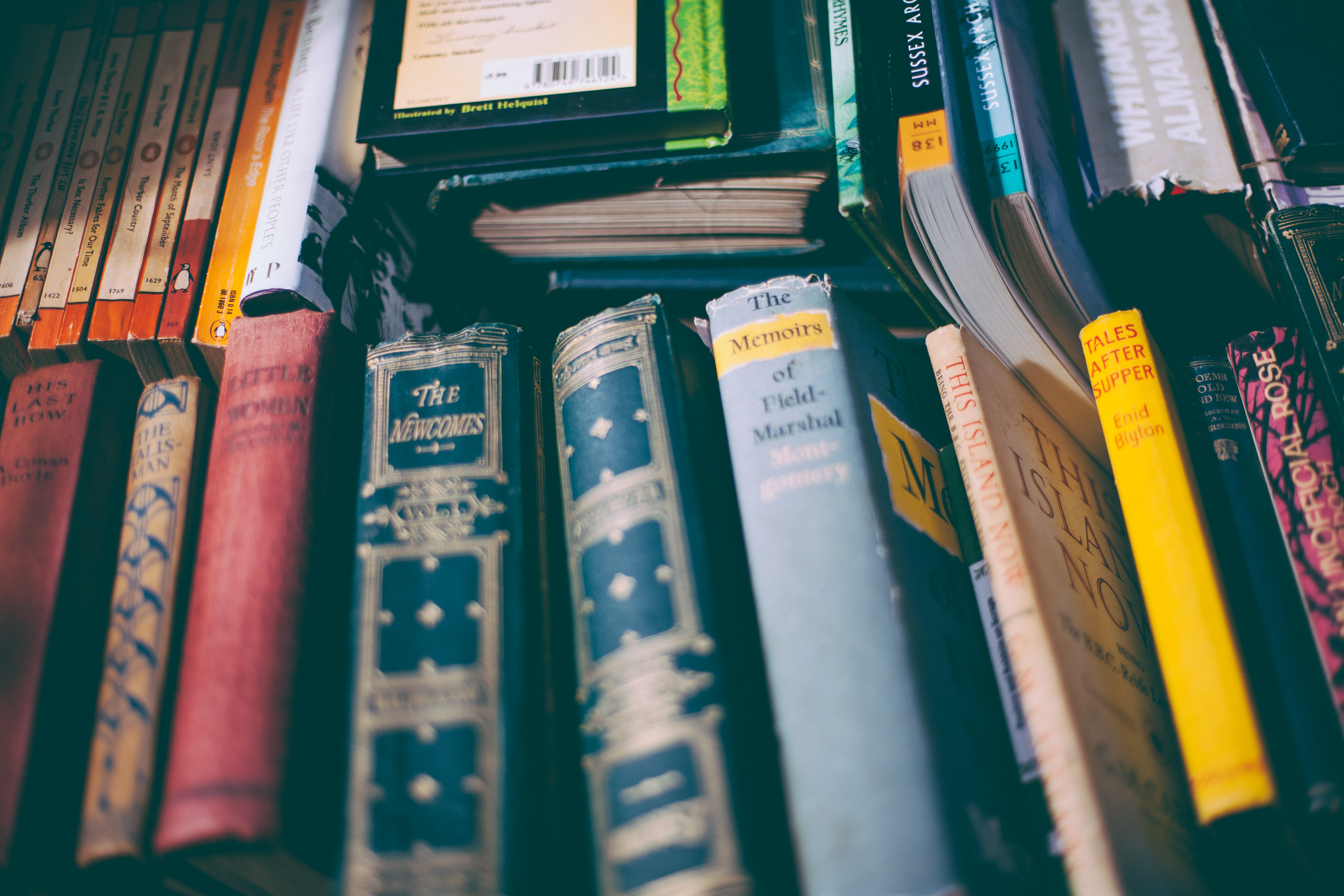
The floods that hit southern Louisiana in 2016 were reportedly the worst natural disaster to affect the United States since 2012’s Hurricane Sandy. As rainfall levels reached record highs and rivers swelled, up to eight inches of floodwaters infiltrated the East Baton Rouge Parish Library’s Greenwell Springs Regional Branch. Out of the library’s 140,000-book collection, as many as 22,000 items were lost. Several required water-damaged-book restoration. Floods pose a threat to one of the greatest resources on the planet—books. Water damage in libraries can prove catastrophic, especially when wet documents don’t receive prompt attention.

Read

Read it & Weep. How Many Books Have Been Lost to Water Damage?

Document Recovery, Temporary Climate Solutions

There are more than 320,000 public libraries around the world. Adding to this figure are thousands of academic, government, research, museum, ecclesiastical, special topic, film, and home libraries. The largest libraries on the planet, such as the Library of Congress and British Library, house more than 15 million books, artifacts and archived materials each. A single incident of water damage in libraries can prove financially catastrophic, especially if the items affected are numerous, valuable or rare. When libraries pair climate control solutions with archival best practices and emergency preparedness, they reduce the need for water-damaged-book restoration and make a valuable investment in the institution’s future.

Read

Ensuring Successful Productions of Greenhouse Crops

Temporary Climate Solutions, Food and Pharma

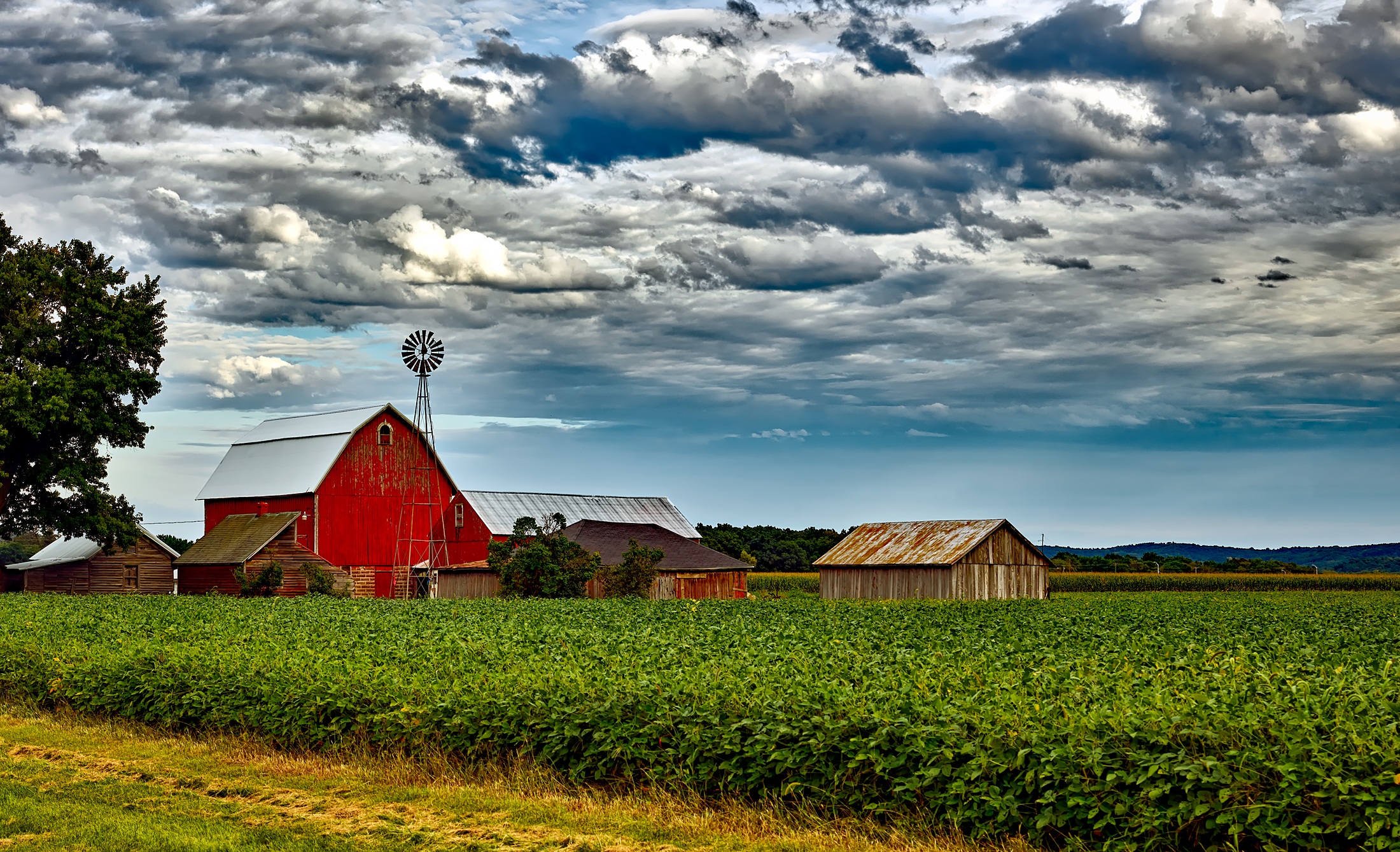
Regions throughout the world are known for their particular crops because of their climate profiles. North America, for example, is a major producer of sugarcane, almonds and strawberries. Western Asia produces rye, barley and wheat. The Middle East grows saffron and cotton. Thanks to technological advances in horticulture and farming, crops no longer have to be limited to their native geographical locations, climates and seasons. A growing number of regions that depend on food imports are becoming more self-reliable with greenhouses that use temporary climate control solutions that mimic the conditions needed to produce a greater variety of crops. The technologies make food and other goods more abundant in regions affected by poor soil and water scarcity, and deliver seasonal crops to consumers year-round.

Read