Blog

Keep Construction Site Mold Away with Humidity Control

Construction Drying, Mold Damage

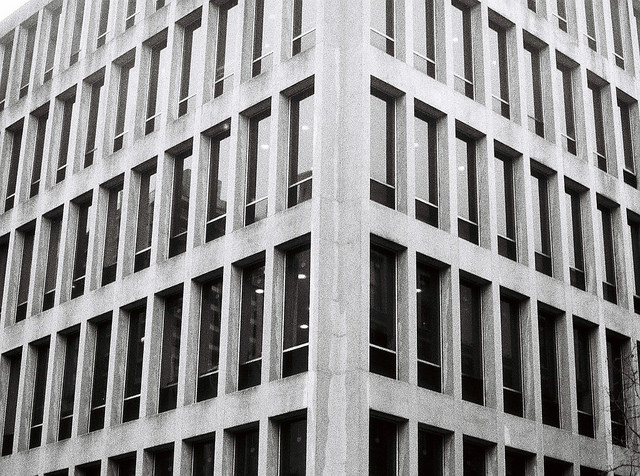
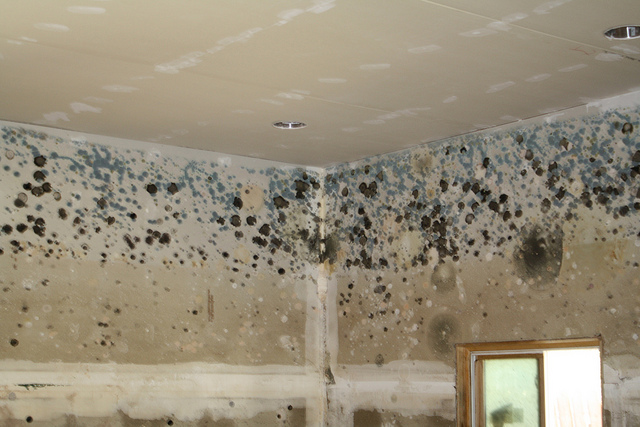
Damp structures, whether they’re in the construction phases or already complete, are unhealthy structures as moisture leads to mold growth. In some cases, a new building might have mold growth that occurred before or during construction, which can create serious, ongoing problems. Without proper humidity control for construction drying, the moisture content within a building might exceed industry specifications, resulting in delays and significant losses.

Read

3 Ways Humidity Can Damage Concrete

Construction Drying

Concrete is one of the most common building materials used in new construction, particularly for flooring. The material constantly interacts with the environment around it, so influences such as temperature and humidity affect the moisture levels within it. Just as water is a vital ingredient when mixing concrete, excessive amounts of it can create numerous problems. The most common sources of excess moisture in concrete are free water—too much water in the concrete mixture—and moisture rising from below a slab. Because of the costly issues that may result from excess moisture in concrete construction, humidity control is an essential preventive and corrective measure.

Read

Temporary Climate Control Supports the Rise of the U.S. Commercial Construction Industry [Infographic]

Construction Drying, Temporary Climate Solutions

With the U.S. commercial construction industry on the rise, construction managers, now more than ever, need a way to keep projects running on schedule. This infographic highlights tips and tricks for managing humidity, extreme temperatures, and moisture with temporary climate control. Not only does temporary climate control keep projects on schedule while minimizing the negative effects of moisture, it also provides additional benefits including improved indoor air quality, accelerated paint and plaster drying, and cost reduction for concrete sealing. Read on to learn more!

Read

Protect Millwork During Construction with Humidity Control

Construction Drying, Temporary Climate Solutions

Measuring twice and cutting once sometimes isn’t enough when installing millwork. Wood is hygroscopic, expanding as relative humidity levels increase and contracting when it loses moisture. Professionals refer to the relationship between wood and humidity as equilibrium moisture content (EMC). Construction drying solutions prevent EMC changes, allowing you install millwork without the risk of bowing, splitting or gap formations.

Read

3 Reasons a Building Needs Humidity Control when Fireproofing

Construction Drying, Temporary Climate Solutions

When applying a fireproof coating to structures, it is vital for the material to dry within a specific amount of time. While some fireproofing sprays contain chemical accelerators to speed hardening, they still produce a significant amount of moisture during the application process. Incidentally, the fire-resistant material may be more difficult to dry than drywall or cement. Without the right ambient conditions or construction drying services, a contractor may face delays and unintentionally create safety risks.

Read