Blog

Can Mold Grow on Concrete?

Construction Drying

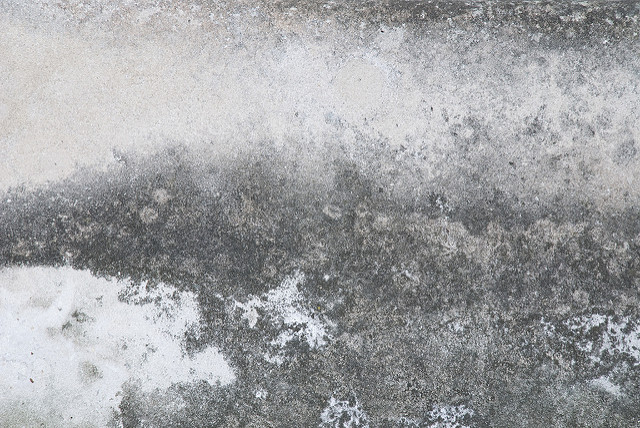
In the construction, architecture and engineering fields, mold is a hot topic because it definitely grows in and on concrete. Mold growth on concrete occurs in any geographical area of the world and has the potential to lead to health problems and structural damage. Mold prevention and management should begin with the design phases of a building project, as taking preventive actions to mitigate excessive humidity levels, water infiltration and condensation are essential at all stages. By knowing how, why and where mold grows, you can take measures to prevent its development.

Read

3 Ways Moisture Affects Concrete Strength

Construction Drying

Water is an essential component when making concrete. The moisture that water provides also gives concrete its strength during the curing process. While water is one of the most important ingredients in concrete, it can also be the most destructive in excessive amounts. As one of the most common building materials used in construction, appropriate concrete drying solutions are necessary to ensure concrete strength and safety.

Read

How to Choose the Right Commercial Dehumidifier [Infographic]

Construction Drying, Temporary Climate Solutions, Water and Storm Damage

Commercial dehumidifiers are not created equal. When preparing for a job that requires temporary climate control solutions, it's critical to examine several factors to help you select the right equipment for your needs. These factors include the type of drying project, size of the job area, and the extend of the moisture present at the site. Factoring these into your decision will help you choose equipment that will get your job done correctly and efficiently, eliminating unnecessary project time and ensuring a quality job.

Read

How Construction Drying Services Improve Post-Construction Results

Construction Drying

Moisture is one of the greatest headaches at a construction sites. Too much of it increases the moisture content of vital building materials, slows the curing times and makes processes more complicated than necessary. While short-term consequences brought on by excessive moisture requires a contractor’s attention, the long-term consequences deserve equal consideration. By employing humidity control for construction sites, you’ll mitigate issues caused by high moisture levels and ensure the future success of your current projects.

Read

How Ambient Humidity Affects Your Construction Site

Construction Drying, Temporary Climate Solutions

When you have a tight deadline and budget for a construction project, humidity is one of your worst enemies. It prolongs drying and curing times and can have significant effects on the quality of a finished project. As you plan out and work on a project, you must consider the weather and ambient temperatures, as both affect relative humidity levels. To ensure the timely completion and successful results of a job, contractors look to construction site humidity control to prevent moisture-related problems.

Read