When water damage threatens critical documents, choosing the right drying method is essential to prevent deterioration. This article explores both methods, outlining their benefits, considerations, and best-use scenarios.

Notice
You are now leaving Polygon Restoration's website and will be directed to another country in the group.
Do you want to proceed?
When water damage threatens critical documents, choosing the right drying method is essential to prevent deterioration. This article explores both methods, outlining their benefits, considerations, and best-use scenarios.
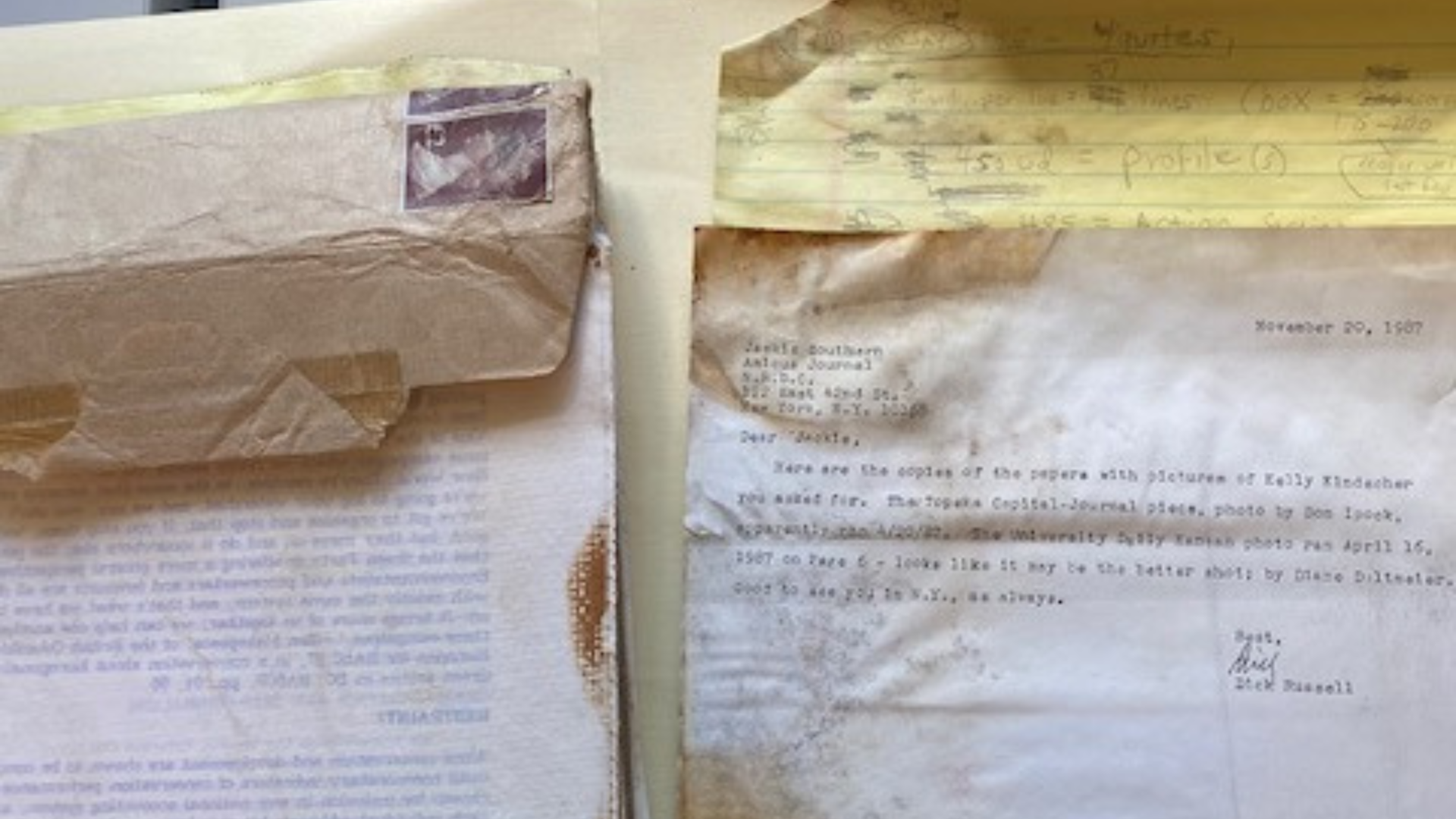
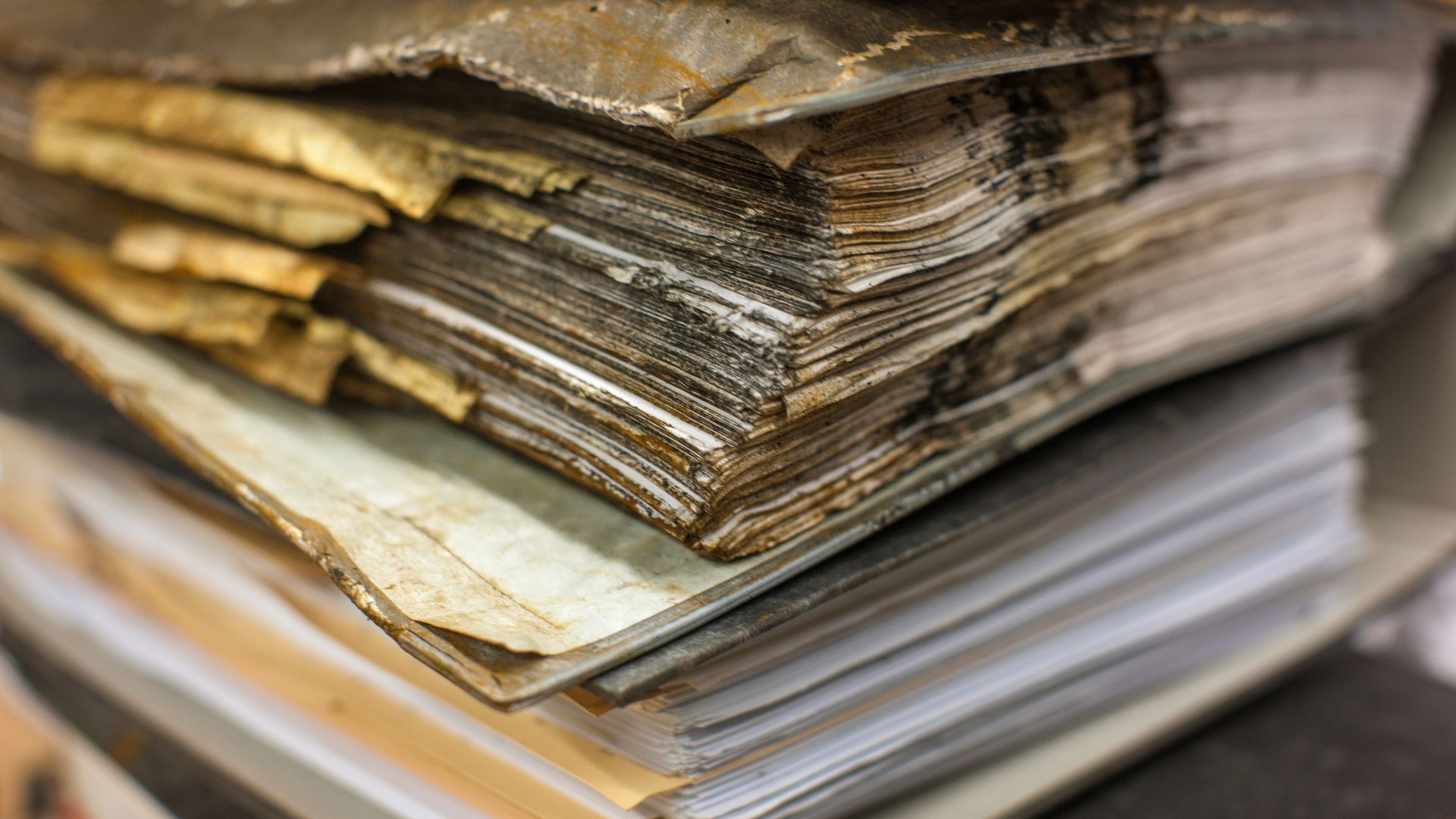
When disaster strikes—whether through water damage, fire, or time itself—recovering documents and archives becomes a priority. However, misconceptions about document recovery can lead to costly mistakes, leading to further deterioration. From freezing techniques to spot treatments, many so-called "fixes" do more harm than good.
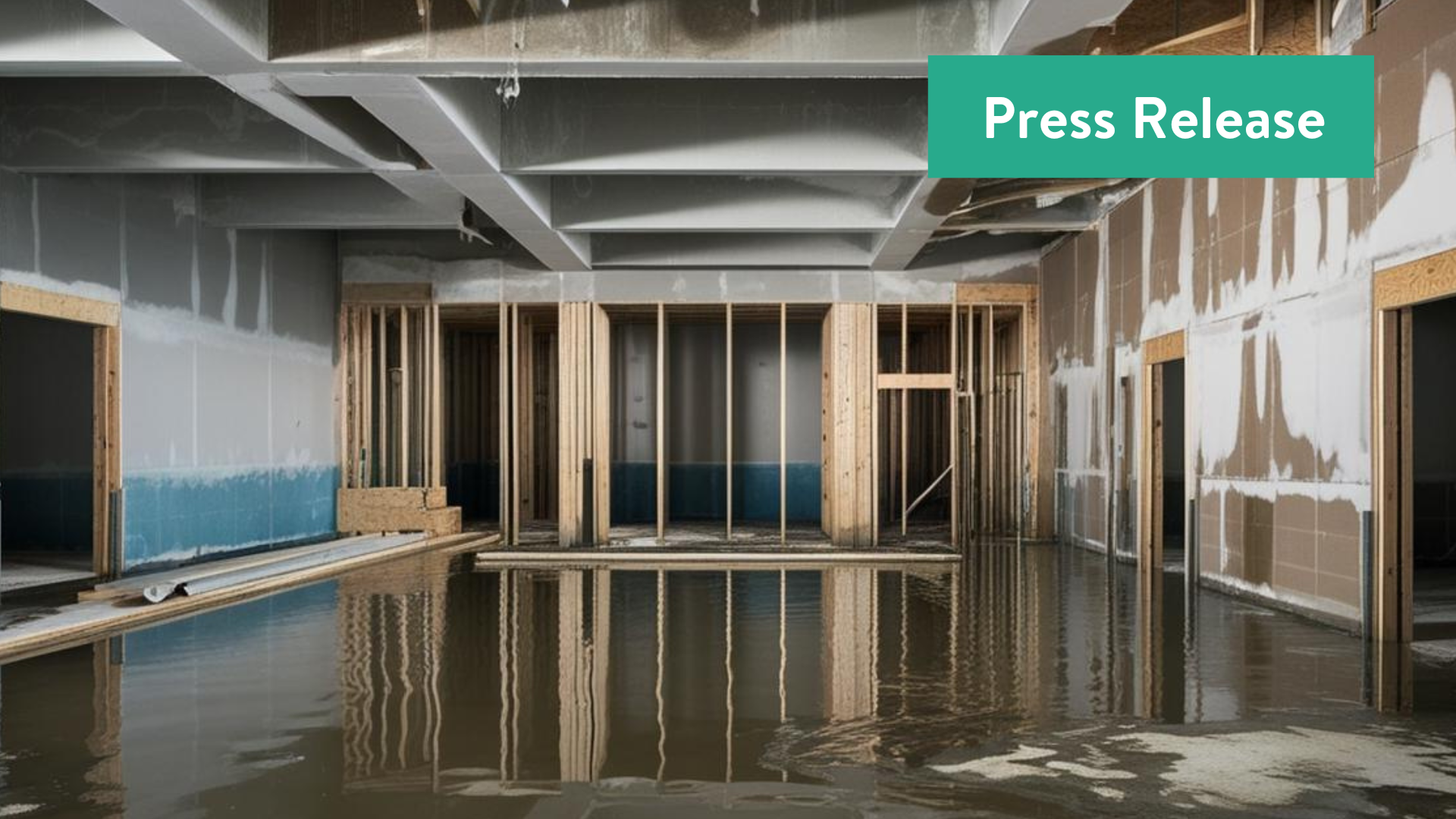
[PRESS RELEASE] Boston, November 21, 2024 - Polygon, one of the largest global Property Damage Control and Temporary Climate Solutions providers, is pleased to announce they have partnered with WINT Water Intelligence, a leader in cutting-edge water management and risk mitigation solutions, to add real-time leak detection and auto shut-off water supply technology to their portfolio.
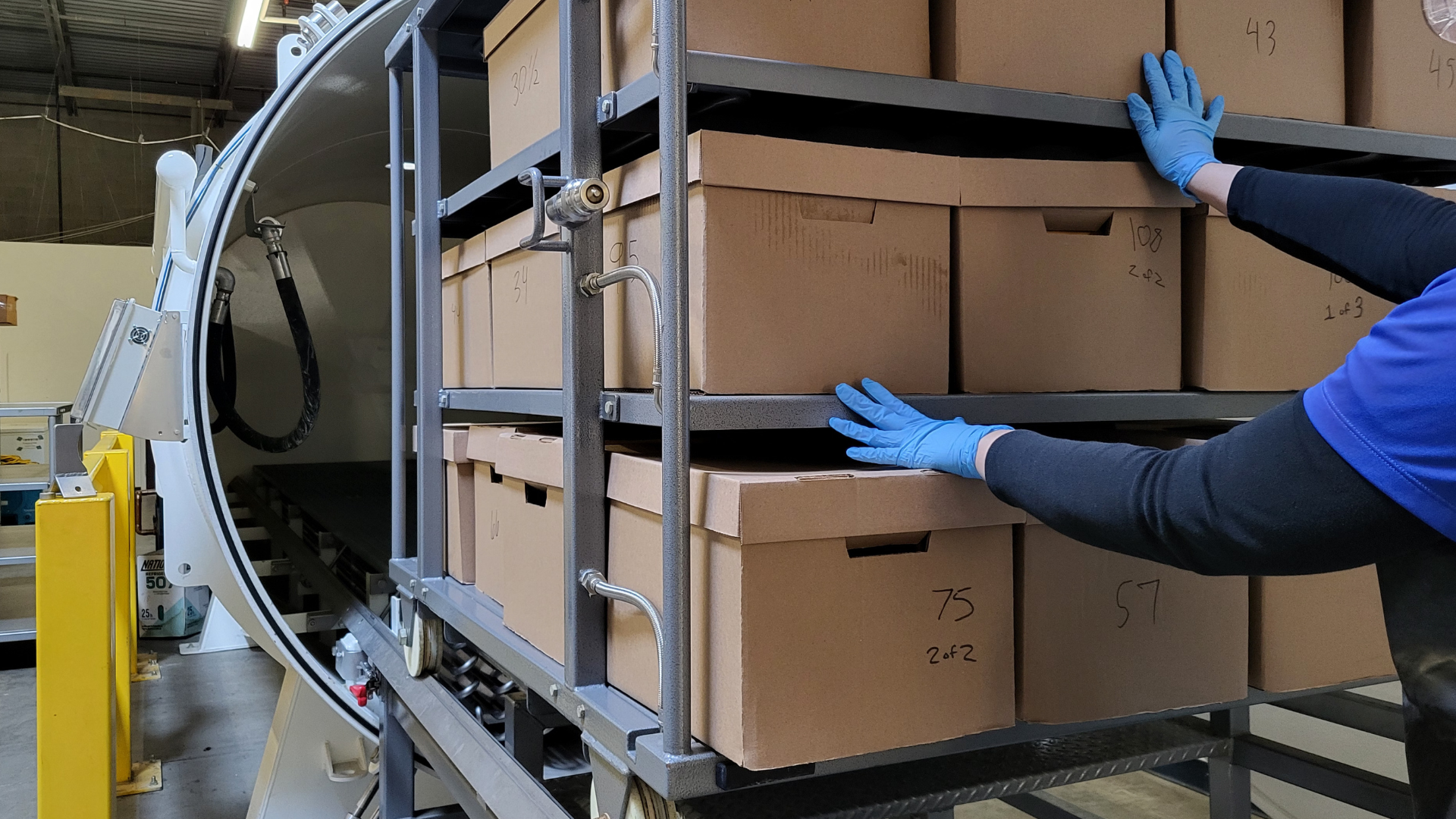
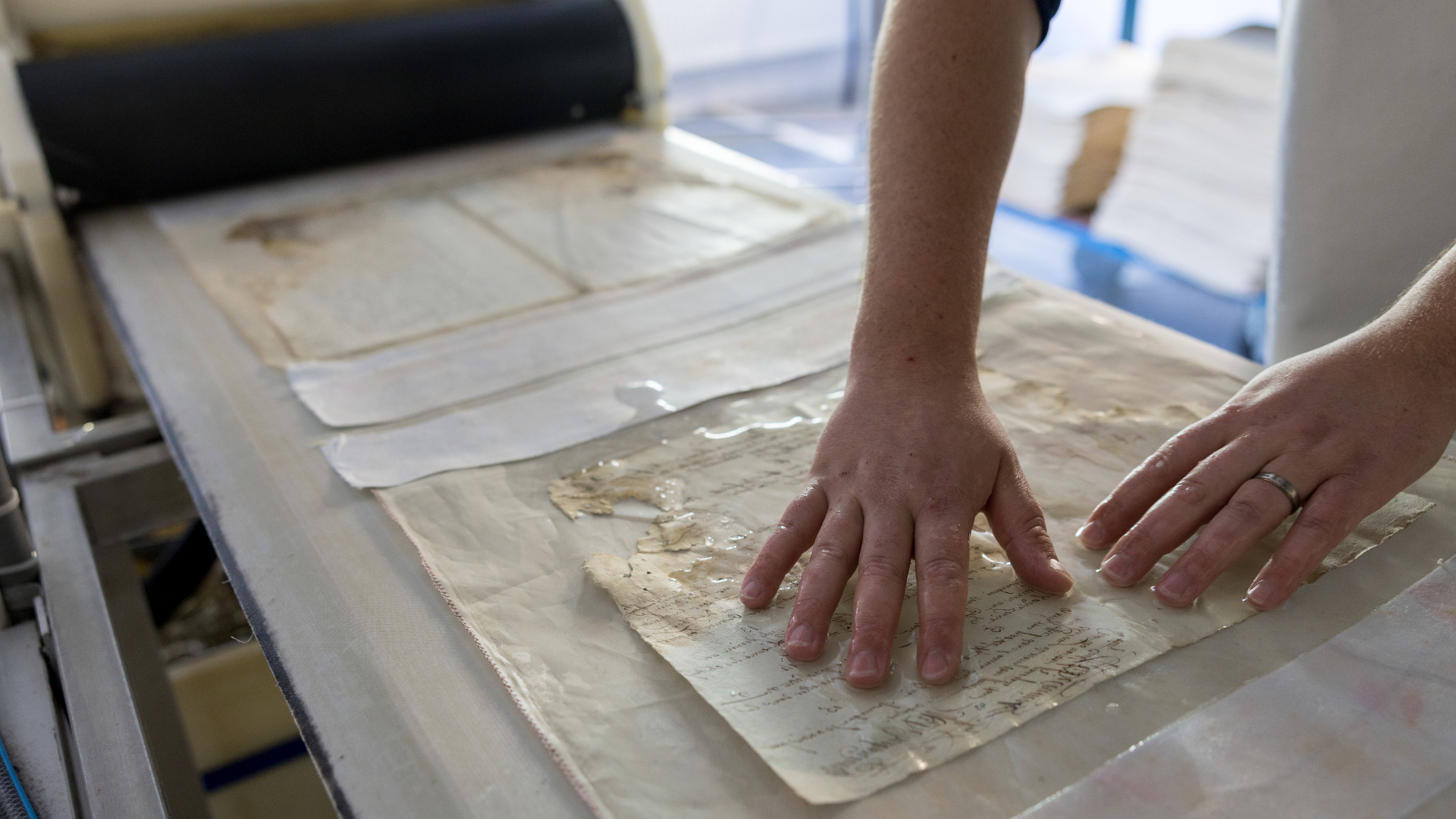
Document freeze-drying is a technique that professionals use to dry and restore books and documents that receive water damage. The process involves using a special chamber that has a high-pressure vacuum. When the chamber reaches the optimal temperature and pressure settings, the moisture in the documents sublimates. The sublimation process turns liquid water into a gaseous state. Freeze-drying eliminates moisture, prevents or halts mold growth, and avoids complications such as sticking, staining, warping, curling and over-drying. While freeze-drying is an effective solution, it is not the answer for all wet documents.
Arguably, the cornerstone of safeguarding archives and collections lies in prevention, which makes understanding potential threats crucial. This is why The Canadian Museum of Nature and the Canadian Conservation Institute have compiled a list of the top 10 agents of deterioration, identifying the primary hazards to historical objects. This compilation aims to assist in preventing and protecting valuable collections, whether housed in museums or homes.
Emergency Support
1-800-422-6379Send an email
us_info@polygongroup.com24/7 Hotline
Urgent equipment and operational support
Property damage
Documents and contents damage
24/7 Emergency:
United States: 1-800-422-6379
Canada: 1-888-702-4782
Your questions and comments are important to us. Please send us your information with a description of your needs and we will connect with you promptly.
Polygon US Headquarters
15 Sharpners Pond Road, Building F North Andover, MA 01845
Phone: 1-800-422-6379
See all our US locations here: Polygon US office locations
For global support, please contact one of our offices listed here: Our Global offices - Polygon Group