Blog

Is Dehumidification or Heat Better in Construction Drying?

Construction Drying, Temporary Climate Solutions

From concrete to wallboard to millwork, materials used to construct buildings absorb moisture. While a small amount of moisture is necessary for materials to cure properly and prevent cracking or distortion, excess amounts pose a variety of risks, including project delays, adhesive and coating failures, and mold growth. To prevent and combat moisture-related problems, contractors look to temporary climate solutions, such as heaters and dehumidifiers. By knowing which process is better for your application, your moisture control efforts will be more effective.

Read

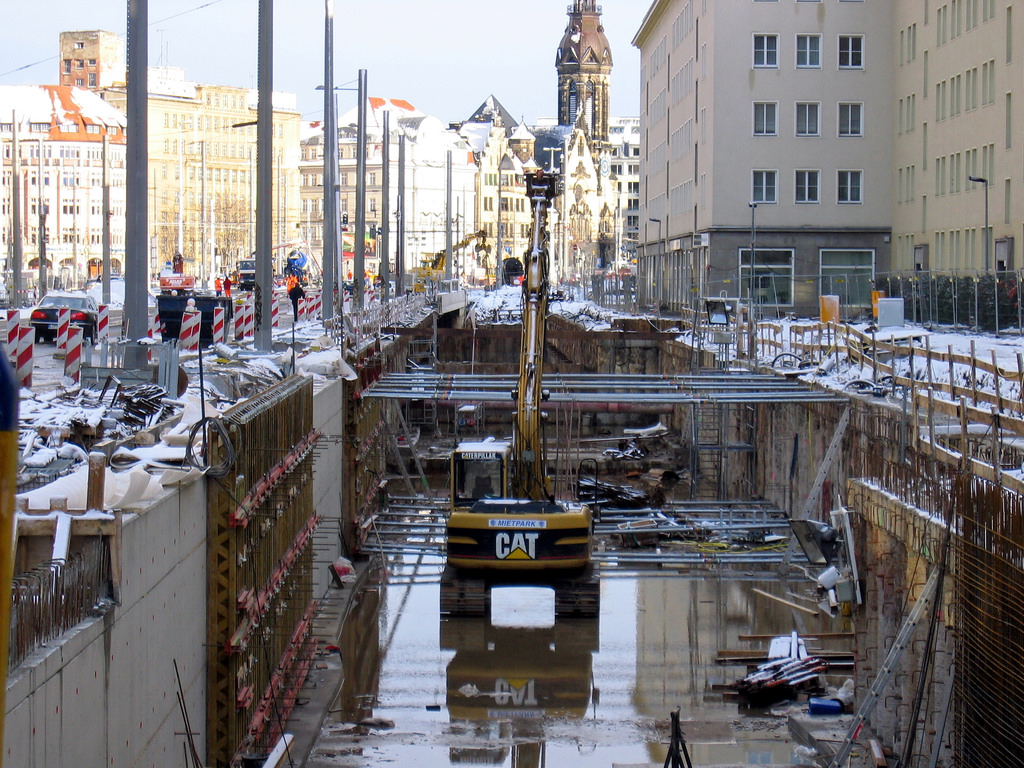
How Commercial Construction Drying Can Help after a Flood

Construction Drying

Water is unpredictable. It can soothe you in a warm bath or damage a building when a natural disaster strikes or a pipe bursts. Because flooding and water damage are not always preventable, it is good to know what drying options exist so you can choose the appropriate construction drying solutions for your needs.

Read

How to Keep Mold out of Construction Sites during the Winter

Construction Drying

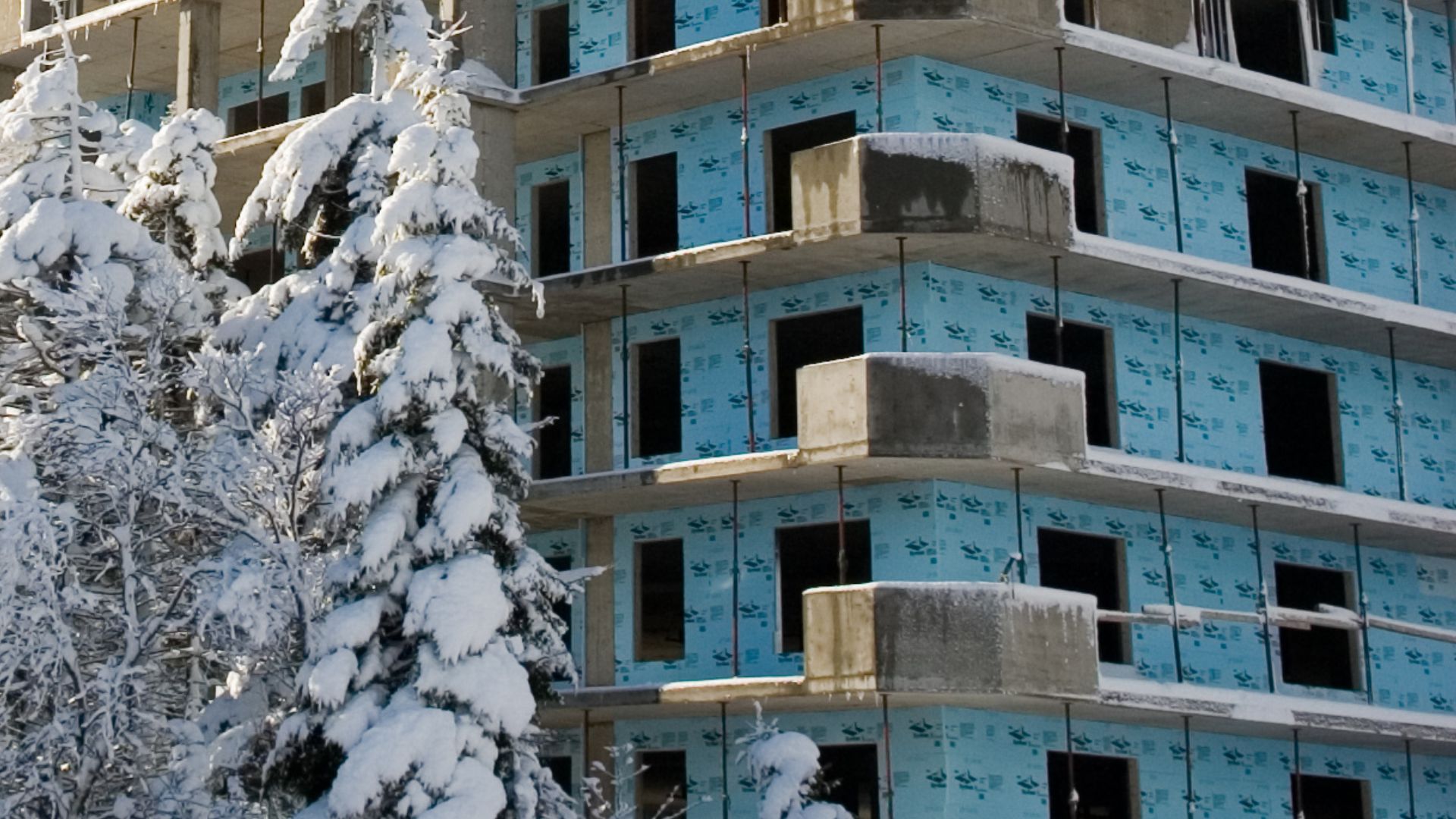
A little moisture at a construction site can turn into a big problem. Not only does moisture cause project delays, but it also invites the growth and spread of mold spores that can compromise a building’s structural integrity and the health of its occupants. To combat the persistently damp conditions during the winter, contractors look to construction drying solutions to stay on track, save costs and ensure that mold does not thrive within the building materials.

Read

Moisture Management for Drywall and Painting

Construction Drying, Temporary Climate Solutions

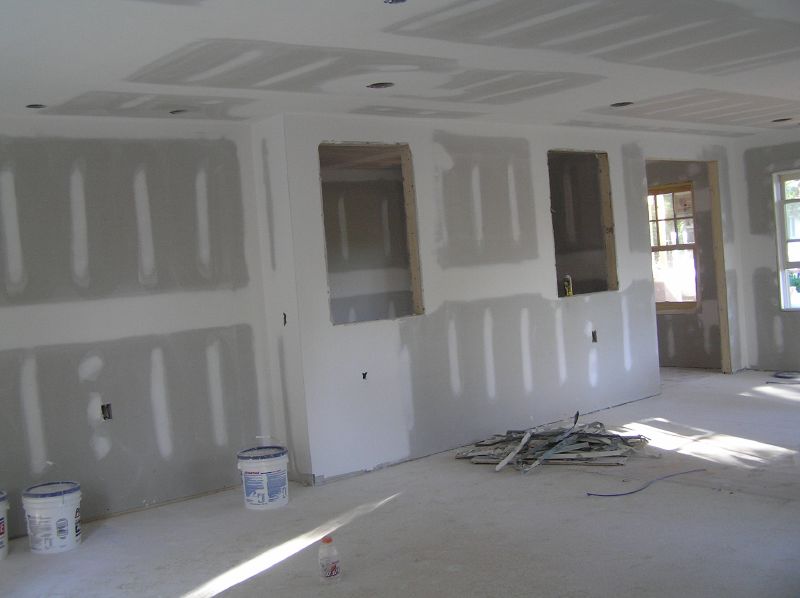
Moisture-related problems in construction are common and lead to a wide range of consequences, from decreased drying times to cosmetic flaws to adverse health effects. For this reason, contractors must create and implement moisture management strategies that include the use of construction drying services if builders are not in an environment that’s conducive to drywall and painting applications. By being aware of the effects of moisture on drywall and paint, as well as the ideal conditions to maintain throughout the installation process, you’ll prevent unnecessary delays and expenses even when ambient conditions are not optimal.

Read

Do You Have a Construction Site Heating Strategy?

Construction Drying, Temporary Climate Solutions

Don't treat ideal construction site conditions as an afterthought. Include a performance-based climate control strategy in your project's planning stage. It saves money, prevents delays, and provides the project team with a safer working environment.

Read