Blog

Preventing Insects in Powdered Goods

Temporary Climate Solutions, Food and Pharma

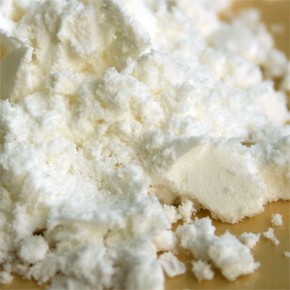
One of the biggest risks in food storage and processing facilities is pests, particularly insects. Insects, or pantry pests, are often drawn to powdered goods and dried foods like beans, nuts, flour, cornmeal, cured meats, pet food and seeds. While insect dangers are most prominent in powdered goods with opened packaging, pests are capable of penetrating unopened packages made of thin cardboard, paper, cellophane, plastic and foil. By knowing which insects are most likely to contaminate dried food products, you can take steps to effectively prevent and control an infestation.

Read

The Properties of Spices & Why Moisture Can Damage Them

Temporary Climate Solutions, Food and Pharma

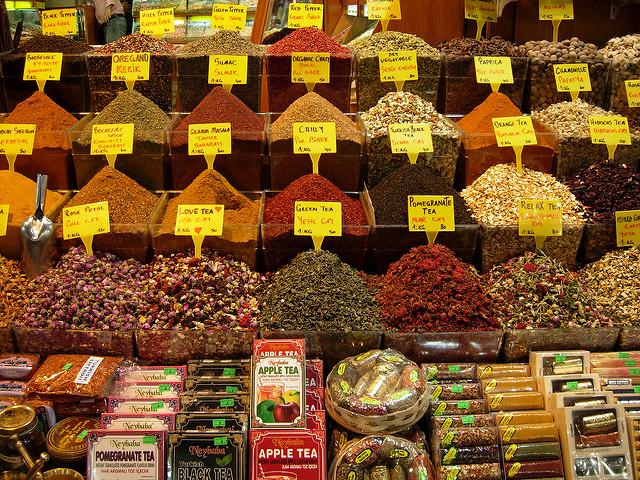
Spices bring foods to life. They’re the reason that you prepare your favorite dishes or buy a certain brand of food at the store—you like how it tastes. When you run a commercial kitchen, transport spices or manage a food processing facility, preserving the flavor of spices is essential to the business’ brand and image, as well as ensuring consumer safety. With the proper humidity control for spices, you’ll make certain that you provide the highest quality, safest and most flavorful ingredients.

Read

The Effects of Moisture on Meat

Temporary Climate Solutions, Food and Pharma

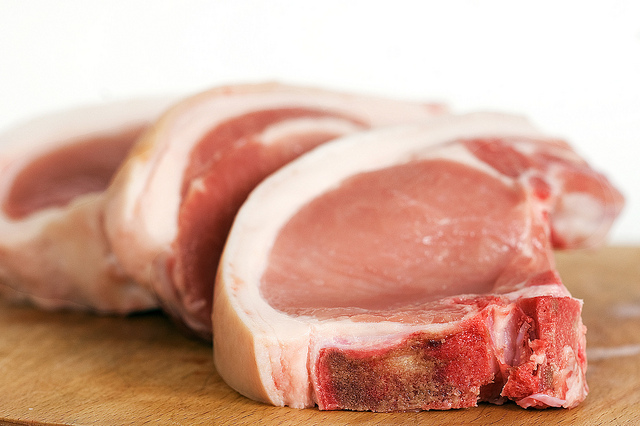
When purchasing prepackaged meat at the grocery store, consumers might find statements related to the product’s moisture content on the label. While some companies add water to meat and poultry products, meat naturally has high moisture levels. As with other food products, moisture content plays a large role in the quality, taste and safety of meat and poultry, making humidity control for meat products an essential part of the packaging process.

Read

Monitoring Humidity in Pharmaceutical Storage

Temporary Climate Solutions, Remote Monitoring and Control, Food and Pharma

The environment inside a pharmacy and pharmaceutical storage areas must be optimal and constant to ensure the effectiveness of the medications within them. The implications of humidity for pharmaceutical are numerous as moisture causes de-sterilization, irreversible destabilization and oxidative degradation because the proteins found in many drugs are sensitive. In extreme cases, temperature fluctuations and humidity may result in harmful toxic degradation that isn’t easily detectable. Temporary climate control solutions are the best way to ensure the ideal environment for stored pharmaceuticals and maintain their safety and effectiveness for patients.

Read

Liquid Desiccant vs Desiccant Wheel Dehumidification – What’s the Difference?

Temporary Climate Solutions, Food and Pharma

Desiccants are hygroscopic substances used as drying agents. They attract water-vapor molecules from the air using an absorptive or absorptive process. They’re often open dehumidification systems used for the cold storage of food products to ensure appropriate relative humidity levels. Desiccant wheel and liquid desiccant dehumidification systems are among the most commonly used for cold food storage because they’re more efficient, produce less heat, and prevent the formation of frost. The best system for cold storage depends on the type of food stored, the location of the storage unit, and its size.

Read