Blog

Dry rooms: Critical path in meeting rising lithium battery demand

Temporary Climate Solutions, Remote Monitoring and Control

By most accounts, electric vehicles (EVs) are expected to experience large growth over the next 10 – 15 years. Automakers, battery manufacturers and even investors are working hard to estimate exactly how much that growth will materialize and when.

Read

3PLs: Because Avocados Don't Grow in Maine

Temporary Climate Solutions, Remote Monitoring and Control, Food and Pharma

Avocados don’t grow in Maine. But residents and visitors in Portland, Maine can still take a seat at Scratch Toast Bar and enjoy a delicious avocado toast. How? Logistics companies. More specifically, cold chain logistics companies. When it comes to transporting fresh ingredients, frozen foods, medicine, and other goods that need to be temperature-controlled, 3rd-Party Logistic companies, or 3PLs, help move goods from where they are manufactured or grown to wherever they need to be for use or consumption. The cold chain connects the country and single-handedly creates new possibilities for different communities.

Read

Condensation: A Problem You Can't Ignore

Temporary Climate Solutions, Remote Monitoring and Control

Is your HVAC system “leaking?” It’s most likely condensation. Condensation is a natural phenomenon that can seem harmless but lead to severe damage to equipment and materials.

Read

ASHRAE Releases Guidelines for Reopening Schools

News, Remote Monitoring and Control

The American Society of Heating, Refrigeration and Air-Conditioning Engineers, typically referred to as ASHRAE, released a technical resource regarding the reopening of schools and universities amidst the COVID-19 pandemic. They stated their position as, “Transmission of SARS-CoV-2 through the air is sufficiently likely that airborne exposure to the virus should be controlled. Changes to building operations, including the operation of heating, ventilating, and air-conditioning [HVAC] systems, can reduce airborne exposures.”

Read

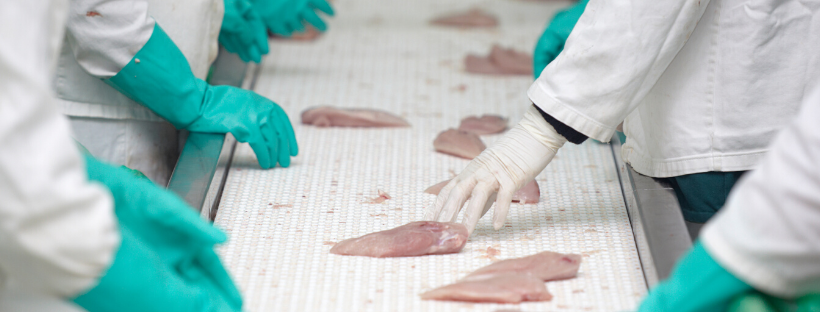
Remote Monitoring Keeps Poultry Processing Facilities Safe

Temporary Climate Solutions, Remote Monitoring and Control, Food and Pharma

In 2013, The Washington Post covered the story of a federal poultry inspector in New York who died 5 years into his job when his lungs bled out. This tragic story caught the attention of federal investigators and the poultry industry, forcing them to look at the dangers that come with using toxic chemicals in order to remove contaminants from the processing line. Since then, the demand for chicken and turkey in the United States has only increased, leading to processing plants depending more heavily on these dangerous chemicals. While these chemicals do keep the food products safe, they must also be monitored in order to protect the people working to put food on our tables.

Read